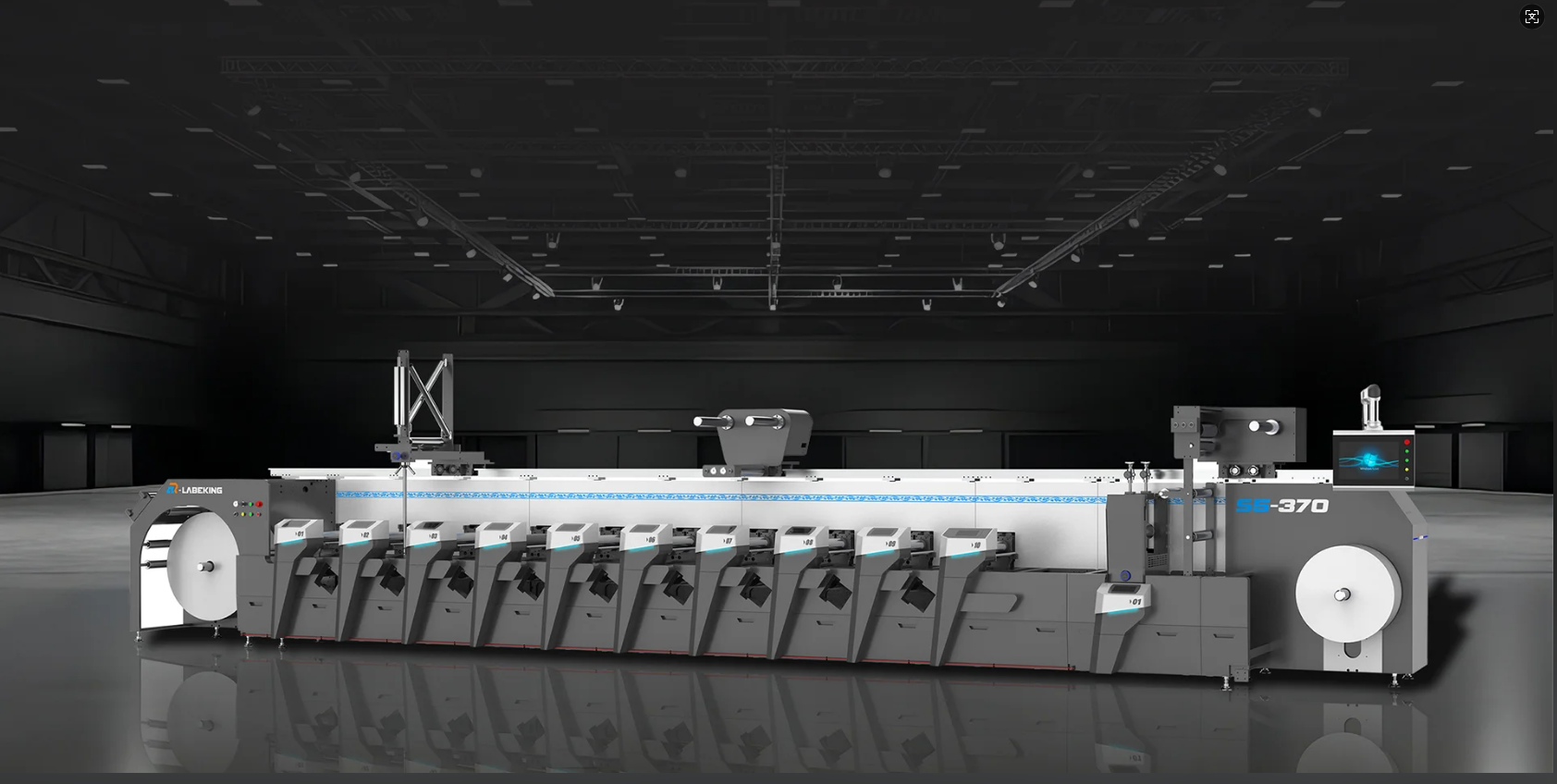
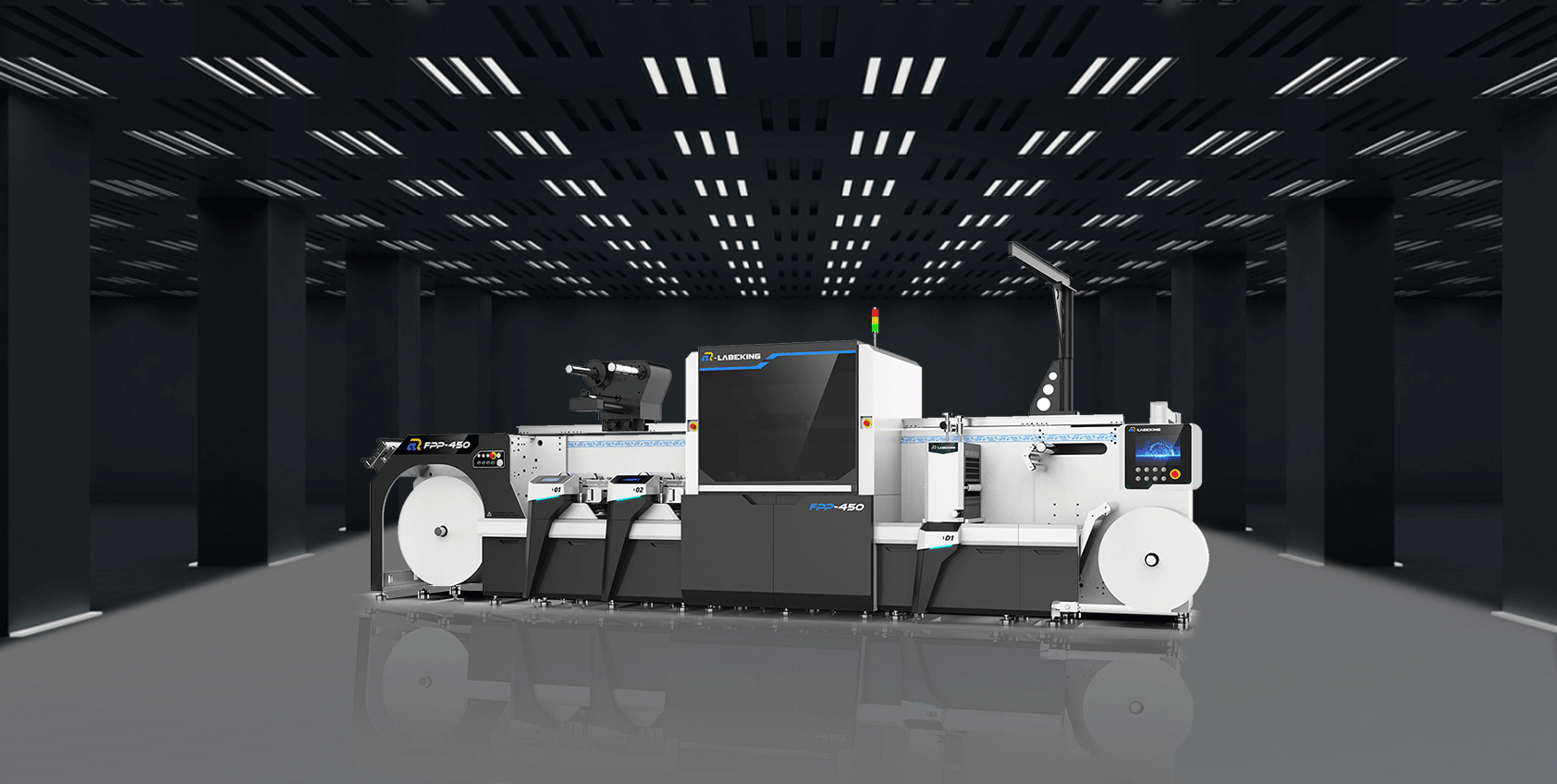
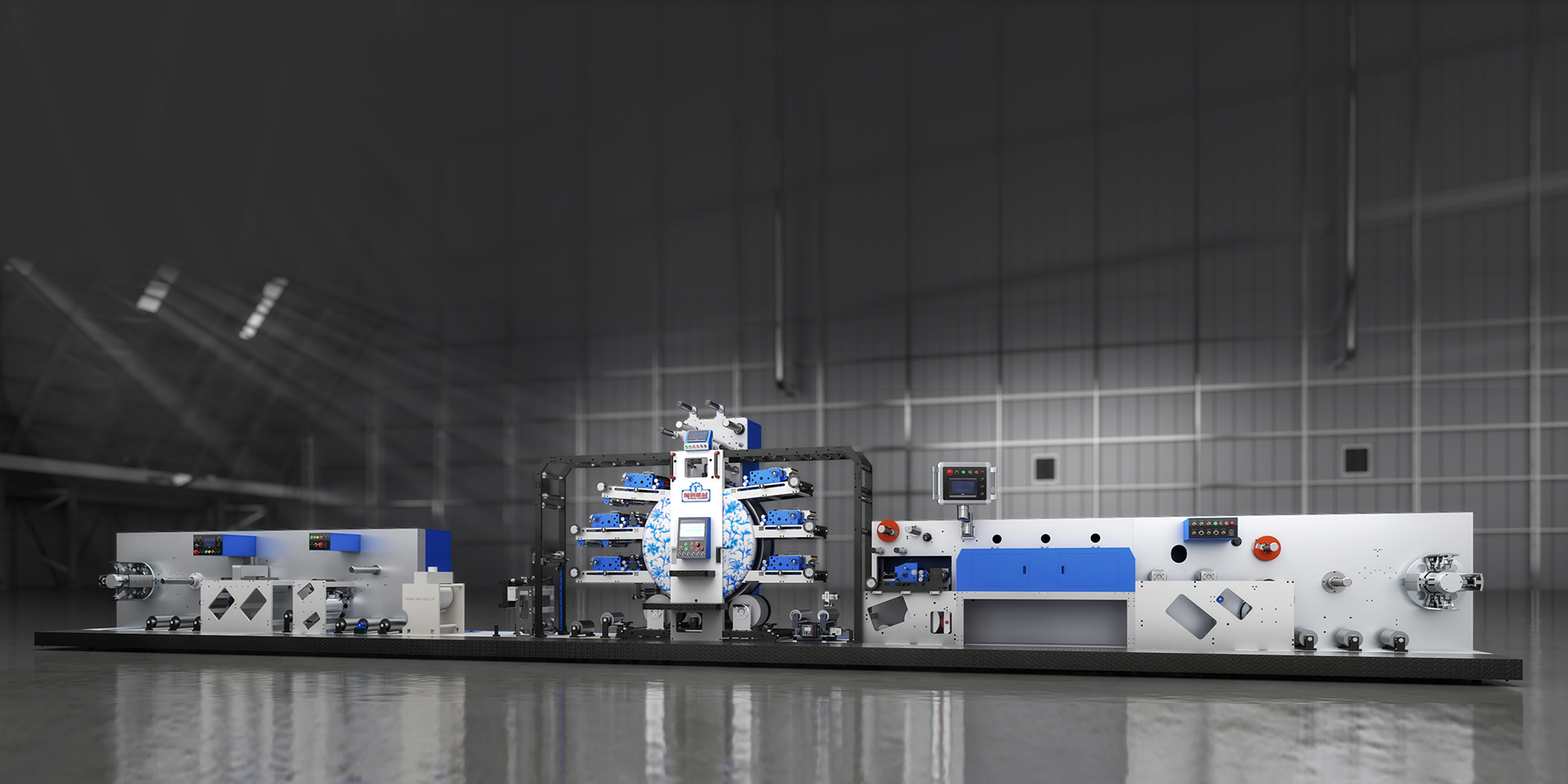
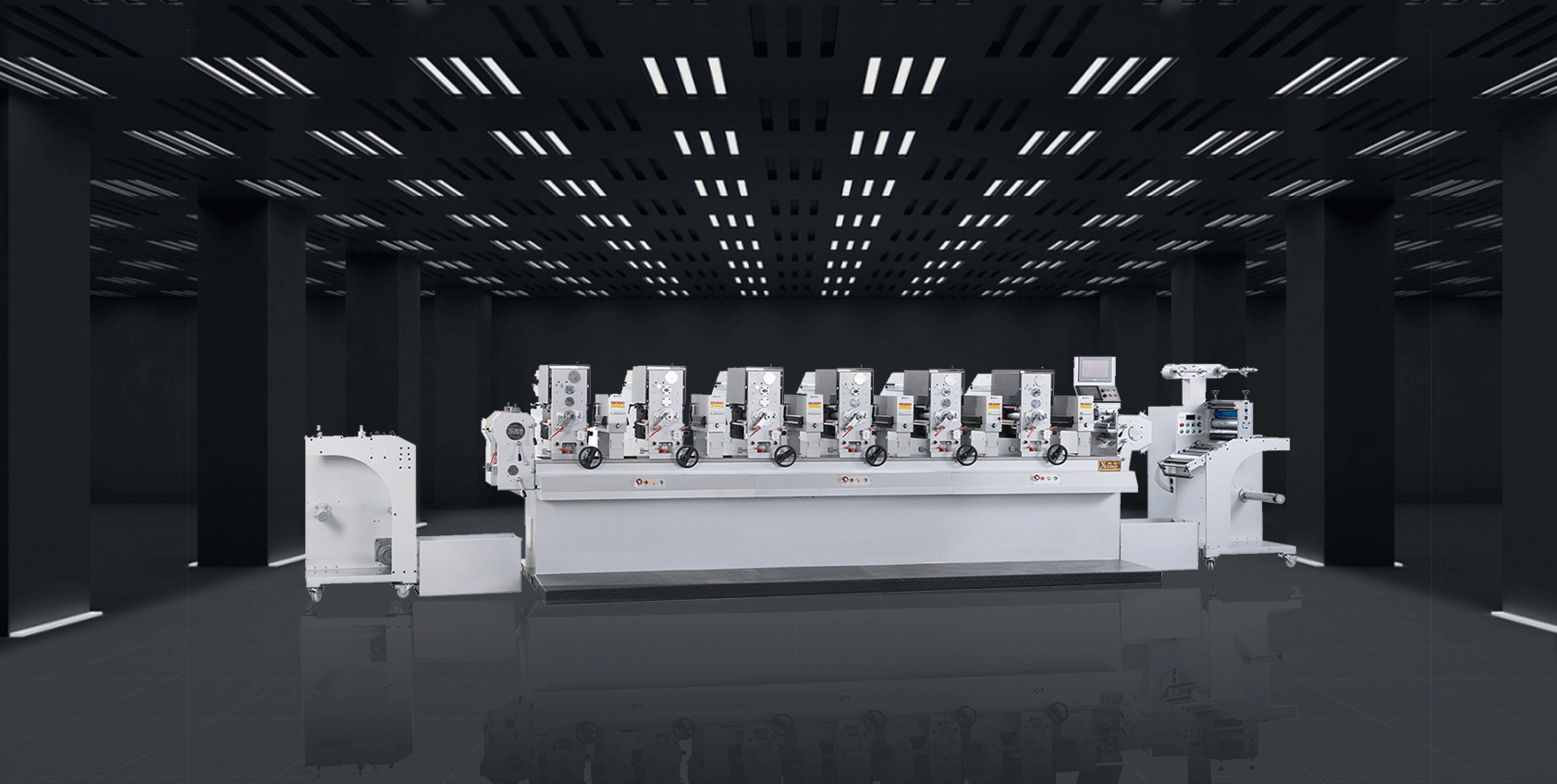
Rotary press is the core equipment of the modern printing industry. It adopts the working principle of continuous feeding of web materials and pressure application through roller rotation to achieve high-speed, high-efficiency and high-quality continuous printing production. It is widely used in mass printing fields such as newspapers, magazines, labels and packaging.
The core structure of a rotary press consists of a plate cylinder, blanket cylinder, impression cylinder, tension control system and transmission control system. Its working principle is based on the property of "oil-water immiscibility". After the plate cylinder absorbs ink, the pattern is indirectly transferred to the substrate via the blanket cylinder, and the graphic transfer is completed with the cooperation of the impression cylinder. This avoids direct wear of the printing plate and ensures printing accuracy and stability.
Compared with sheet-fed printing equipment, rotary presses have remarkable advantages.
First, extremely high production efficiency. Adopting continuous web feeding, the printing speed can reach hundreds of meters per minute, with a maximum output of up to 60,000 impressions per hour, equivalent to the total capacity of multiple sheet-fed offset presses.
Second, stable and controllable quality. Equipped with a full-automatic tension control system and registration calibration module, it accurately controls ink density and printing pressure, ensuring uniform color and precise registration in mass production.
Third, high process integration. It can link post-press processes such as die cutting, lamination, folding and slitting, realizing integrated production of prepress, printing and post-press, greatly reducing labor costs and material loss.
At present, rotary presses are developing towards intelligence, environmental friendliness and multi-functionality. The application of shaftless transmission, servo control, AI registration compensation and other technologies further improves equipment stability and operational convenience. The adaptation of environmentally friendly inks and low-energy design conform to the development trend of green printing. The unit modular structure can flexibly switch between flexo printing, offset printing and other processes to meet the production needs of multiple scenarios such as labels and flexible packaging.
As the preferred equipment for mass printing, rotary presses, with the core advantages of high efficiency, stability and integration, have become a key support for improving quality and efficiency in the printing industry, and continuously promote the innovation and development of modern printing technology.


 AboutUs
 Corporate
 Certificates
 Partners
 Company News
 Label Technology
 Industry News
 Video Tutorials
 Equipment Care
 Solution
 Contact Qianrun
 Service Support
 Feedback